Trade Agreements and Their Impact on the Philippine Real Estate Market
Category : | Sub Category : Posted on 2025-11-03 22:25:23
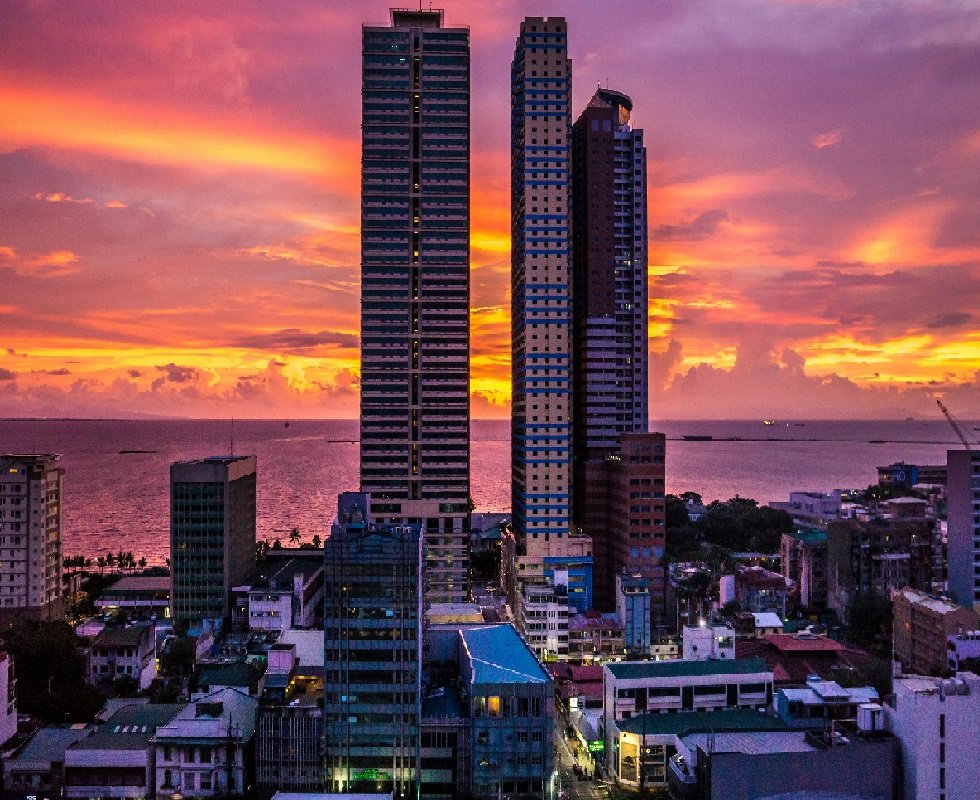
Trade agreements play a vital role in shaping the economy of a country, influencing various sectors including real estate. The Philippines, being a participant in several trade agreements, experiences both direct and indirect impacts on its real estate market. In this article, we will delve into the relationship between trade agreements and the Philippine real estate market. One of the primary ways in which trade agreements affect the Philippine real estate market is through foreign direct investment (FDI). Trade agreements often aim to liberalize investment regulations and promote cross-border investments. As a result, increased FDI flows into the country, leading to a surge in demand for residential, commercial, and industrial properties. Moreover, trade agreements can also impact property prices in the Philippines. With the influx of foreign investments, property prices in key real estate markets such as Metro Manila, Cebu, and Davao have experienced significant appreciation. This trend is particularly evident in areas where major infrastructure projects are being developed in alignment with trade agreements. Furthermore, trade agreements can influence the type of real estate developments in the Philippines. For instance, the Philippines' participation in trade agreements like the ASEAN Free Trade Area (AFTA) has led to the growth of special economic zones and industrial parks. These developments cater to the needs of multinational companies looking to establish operations in the country, thereby driving demand for industrial and office spaces. On the flip side, challenges may also arise for the Philippine real estate market due to trade agreements. For example, provisions in trade agreements related to intellectual property rights protection may increase the cost of construction materials and technologies, thereby impacting development costs and ultimately affecting property prices. In conclusion, trade agreements have a multifaceted impact on the Philippine real estate market. While they bring in foreign investments, drive property price appreciation, and shape the development landscape, they also pose challenges that need to be navigated effectively. As the Philippines continues to engage in global trade agreements, it is essential for policymakers, real estate developers, and investors to adapt to the changing dynamics and seize opportunities for sustainable growth in the real estate sector. For comprehensive coverage, check out https://www.regionales.net
Leave a Comment:
SEARCH
Recent News
- Zurich, Switzerland is renowned for its picturesque landscapes, high standard of living, and vibrant culture. The city offers a perfect blend of urban amenities and natural beauty, making it a desirable destination for both locals and expatriates. As a result, the real estate market in Zurich is robust and constantly evolving.
- Zurich, Switzerland and the Philippine Labor Market: A Comparison
- Zurich, Switzerland is known for its stunning natural beauty, vibrant arts scene, and strong economy. However, what many people may not know is that this dynamic city also offers a diverse culinary experience that includes delicacies from around the world. One such cuisine that has found a home in Zurich is Philippine cuisine.
- Zurich, Switzerland and the Philippine Business Environment:
- Zurich, Switzerland and the Philippine Agribusiness Sector
- YouTube Content Creation and Translation in the Philippine Real Estate Industry
- YouTube Content Creation and Translation in the Philippine Labor Market
- Exploring the World of YouTube Content Creation and Translation in Philippine Cuisine
READ MORE
9 months ago Category :

Zurich, Switzerland is renowned for its picturesque landscapes, high standard of living, and vibrant culture. The city offers a perfect blend of urban amenities and natural beauty, making it a desirable destination for both locals and expatriates. As a result, the real estate market in Zurich is robust and constantly evolving.
Read More →9 months ago Category :

Zurich, Switzerland and the Philippine Labor Market: A Comparison
Read More →9 months ago Category :

Zurich, Switzerland is known for its stunning natural beauty, vibrant arts scene, and strong economy. However, what many people may not know is that this dynamic city also offers a diverse culinary experience that includes delicacies from around the world. One such cuisine that has found a home in Zurich is Philippine cuisine.
Read More →9 months ago Category :
