The Philippine energy sector plays a crucial role in the country's economic development and sustainability. With the growing demand for energy and the need to reduce greenhouse gas emissions, there is a pressing need to shift towards renewable energy sources. The Philippines is rich in renewable energy resources such as solar, wind, geothermal, hydro, and biomass, presenting numerous opportunities for sustainable solutions in the energy sector.
Category : Philippine Energy Sector and Sustainable Solutions | Sub Category : Opportunities in Renewable Energy in the Philippines Posted on 2025-02-02 21:24:53
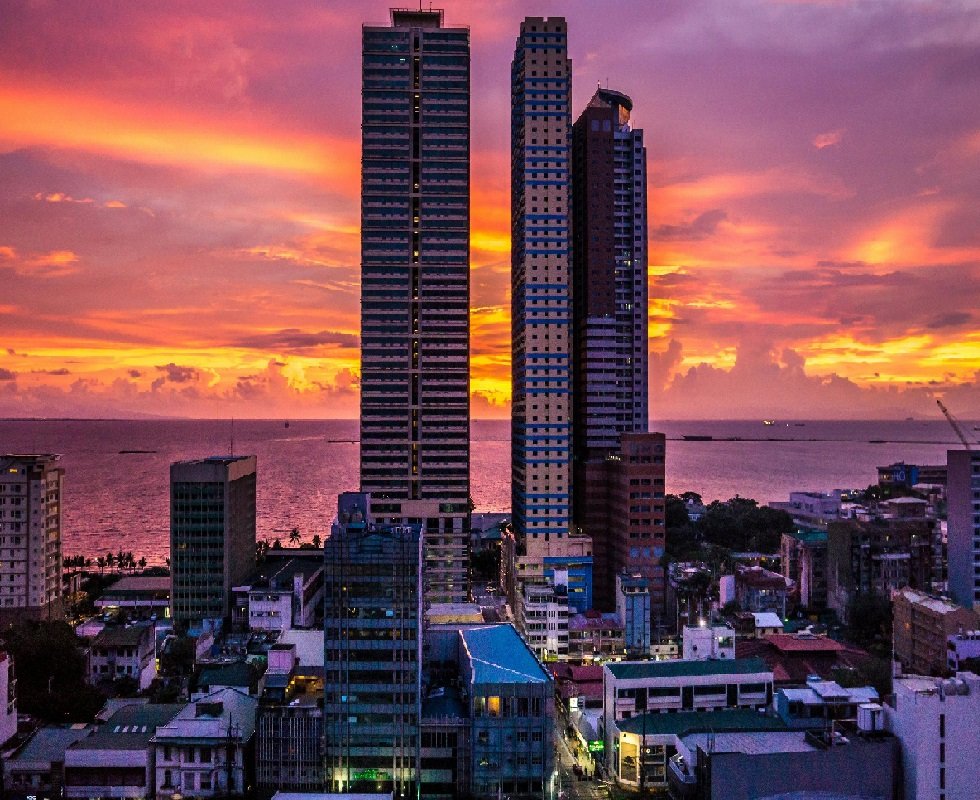
The Philippine energy sector plays a crucial role in the country's economic development and sustainability. With the growing demand for energy and the need to reduce greenhouse gas emissions, there is a pressing need to shift towards renewable energy sources. The Philippines is rich in renewable energy resources such as solar, wind, geothermal, hydro, and biomass, presenting numerous opportunities for sustainable solutions in the energy sector.
One of the most abundant and promising renewable energy sources in the Philippines is solar energy. The country's geographical location near the equator makes it an ideal location for solar power generation. With plenty of sunlight all year round, solar energy has the potential to provide a significant portion of the country's electricity needs. Solar panels can be installed on rooftops, vacant lands, and even on bodies of water, making good use of available space while reducing reliance on fossil fuels.
Another renewable energy source with great potential in the Philippines is wind energy. The country has vast wind resources, particularly in coastal areas and mountainous regions. Wind farms can be established to harness the power of the wind and generate clean electricity. By investing in wind energy projects, the Philippines can diversify its energy mix and reduce its dependency on imported fossil fuels.
Geothermal energy is another important renewable energy source in the Philippines. The country is located along the Pacific Ring of Fire, a region known for its geothermal activity. Geothermal power plants tap into the heat stored beneath the earth's surface to produce electricity. The Philippines is the second-largest producer of geothermal energy in the world, showcasing its potential to expand its geothermal capacity and become a leading player in the global geothermal energy market.
Hydropower is another renewable energy source that the Philippines can leverage to meet its energy demands. The country has numerous rivers and waterways that can be harnessed to produce hydroelectric power. By investing in small-scale and large-scale hydropower projects, the Philippines can further reduce its carbon footprint and promote sustainable energy development.
Biomass energy is also a viable renewable energy source in the Philippines, given the country's abundant agricultural and forestry resources. Biomass power plants can utilize organic materials such as agricultural waste, rice husks, and coconut shells to produce electricity. By converting biomass into energy, the Philippines can reduce waste and promote rural development while generating clean and sustainable power.
In conclusion, the Philippines has a wealth of renewable energy resources that can be harnessed to drive sustainable solutions in the energy sector. By investing in solar, wind, geothermal, hydropower, and biomass energy projects, the country can reduce its carbon emissions, enhance energy security, and create new economic opportunities. Embracing renewable energy is not only essential for mitigating climate change but also for ensuring a brighter and more sustainable future for the Philippines.
Leave a Comment:
SEARCH
Recent News
- Zurich, Switzerland is renowned for its picturesque landscapes, high standard of living, and vibrant culture. The city offers a perfect blend of urban amenities and natural beauty, making it a desirable destination for both locals and expatriates. As a result, the real estate market in Zurich is robust and constantly evolving.
- Zurich, Switzerland and the Philippine Labor Market: A Comparison
- Zurich, Switzerland is known for its stunning natural beauty, vibrant arts scene, and strong economy. However, what many people may not know is that this dynamic city also offers a diverse culinary experience that includes delicacies from around the world. One such cuisine that has found a home in Zurich is Philippine cuisine.
- Zurich, Switzerland and the Philippine Business Environment:
- Zurich, Switzerland and the Philippine Agribusiness Sector
- YouTube Content Creation and Translation in the Philippine Real Estate Industry
- YouTube Content Creation and Translation in the Philippine Labor Market
- Exploring the World of YouTube Content Creation and Translation in Philippine Cuisine
READ MORE
9 months ago Category :

Zurich, Switzerland is renowned for its picturesque landscapes, high standard of living, and vibrant culture. The city offers a perfect blend of urban amenities and natural beauty, making it a desirable destination for both locals and expatriates. As a result, the real estate market in Zurich is robust and constantly evolving.
Read More →9 months ago Category :

Zurich, Switzerland and the Philippine Labor Market: A Comparison
Read More →9 months ago Category :

Zurich, Switzerland is known for its stunning natural beauty, vibrant arts scene, and strong economy. However, what many people may not know is that this dynamic city also offers a diverse culinary experience that includes delicacies from around the world. One such cuisine that has found a home in Zurich is Philippine cuisine.
Read More →9 months ago Category :
