The Philippine energy sector has been a hot topic in recent years, with a growing emphasis on sustainable solutions and renewable energy projects. As a developing country, the Philippines faces challenges in ensuring a stable and reliable energy supply while also addressing environmental concerns and reducing reliance on fossil fuels. In response to these challenges, the country has heavily invested in renewable energy projects to harness its abundant natural resources and transition towards a more sustainable energy future.
Category : Philippine Energy Sector and Sustainable Solutions | Sub Category : Renewable Energy Projects in the Philippines Posted on 2025-02-02 21:24:53
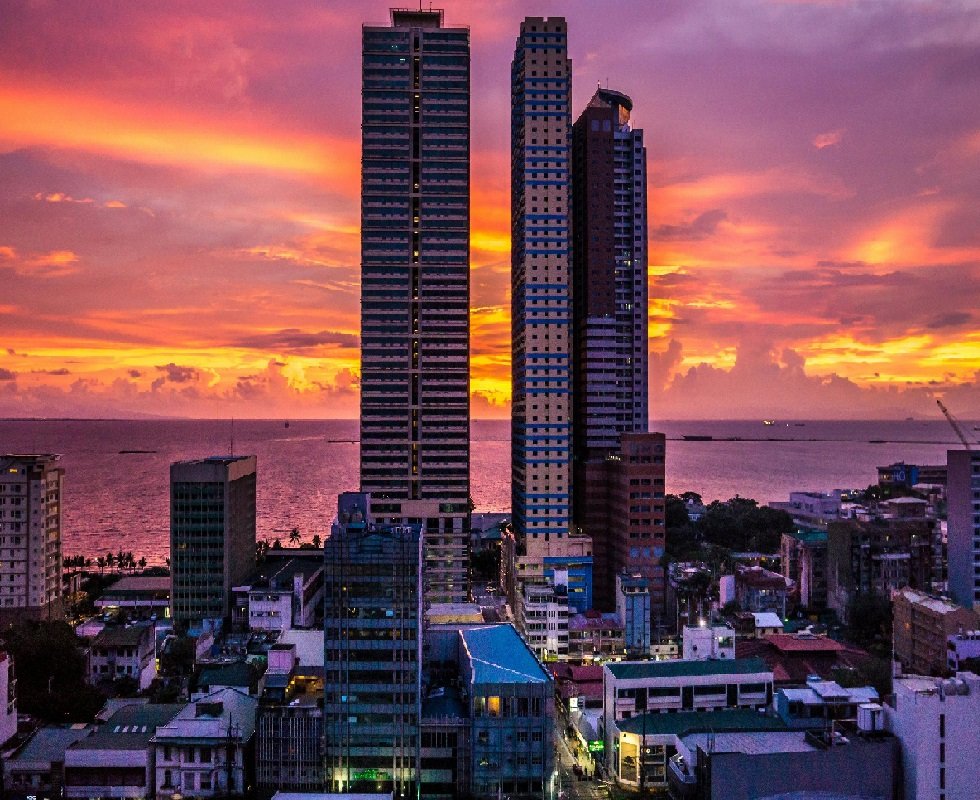
The Philippine energy sector has been a hot topic in recent years, with a growing emphasis on sustainable solutions and renewable energy projects. As a developing country, the Philippines faces challenges in ensuring a stable and reliable energy supply while also addressing environmental concerns and reducing reliance on fossil fuels. In response to these challenges, the country has heavily invested in renewable energy projects to harness its abundant natural resources and transition towards a more sustainable energy future.
One of the key renewable energy sources being developed in the Philippines is solar power. With its location near the equator, the country receives ample sunlight throughout the year, making it an ideal location for solar energy production. Large-scale solar farms have been established in different parts of the country, contributing significantly to the national energy mix. Solar power not only helps reduce greenhouse gas emissions but also provides a clean and cost-effective source of electricity.
Another promising renewable energy source in the Philippines is wind power. The country's coastal areas and mountainous regions have high wind potential, which can be harnessed to generate electricity through wind turbines. Wind farms have been established in provinces like Ilocos Norte and Rizal, where strong and consistent winds provide a reliable source of renewable energy. Wind power offers a sustainable alternative to traditional fossil fuels and helps diversify the energy mix to ensure energy security.
Hydropower is also a significant contributor to the renewable energy sector in the Philippines. The country's numerous rivers and water resources have been tapped to build hydroelectric power plants that generate clean electricity. Hydropower projects not only provide a renewable source of energy but also contribute to water management and irrigation systems, benefiting local communities and promoting sustainable development.
In addition to solar, wind, and hydropower, the Philippines is exploring other renewable energy sources such as geothermal and biomass. The country is known for its geothermal resources, with geothermal power plants operating in geologically active areas like the Bicol region and Mindanao. Geothermal energy is a reliable and environmentally friendly source of power that can help meet the country's growing energy demands.
Furthermore, biomass energy projects are gaining traction in the Philippines, utilizing organic materials like agricultural residues, livestock manure, and urban waste to generate electricity. Biomass power plants not only reduce organic waste but also provide an alternative energy source that supports rural development and creates employment opportunities.
Overall, renewable energy projects in the Philippines play a crucial role in promoting sustainable development, reducing greenhouse gas emissions, and enhancing energy security. By investing in clean and renewable sources of energy, the country is taking significant steps towards a more sustainable and environmentally friendly energy sector. With continued efforts and investments in renewable energy projects, the Philippines can pave the way for a greener and more resilient energy future.
Leave a Comment:
SEARCH
Recent News
- Zurich, Switzerland is renowned for its picturesque landscapes, high standard of living, and vibrant culture. The city offers a perfect blend of urban amenities and natural beauty, making it a desirable destination for both locals and expatriates. As a result, the real estate market in Zurich is robust and constantly evolving.
- Zurich, Switzerland and the Philippine Labor Market: A Comparison
- Zurich, Switzerland is known for its stunning natural beauty, vibrant arts scene, and strong economy. However, what many people may not know is that this dynamic city also offers a diverse culinary experience that includes delicacies from around the world. One such cuisine that has found a home in Zurich is Philippine cuisine.
- Zurich, Switzerland and the Philippine Business Environment:
- Zurich, Switzerland and the Philippine Agribusiness Sector
- YouTube Content Creation and Translation in the Philippine Real Estate Industry
- YouTube Content Creation and Translation in the Philippine Labor Market
- Exploring the World of YouTube Content Creation and Translation in Philippine Cuisine
READ MORE
9 months ago Category :

Zurich, Switzerland is renowned for its picturesque landscapes, high standard of living, and vibrant culture. The city offers a perfect blend of urban amenities and natural beauty, making it a desirable destination for both locals and expatriates. As a result, the real estate market in Zurich is robust and constantly evolving.
Read More →9 months ago Category :

Zurich, Switzerland and the Philippine Labor Market: A Comparison
Read More →9 months ago Category :

Zurich, Switzerland is known for its stunning natural beauty, vibrant arts scene, and strong economy. However, what many people may not know is that this dynamic city also offers a diverse culinary experience that includes delicacies from around the world. One such cuisine that has found a home in Zurich is Philippine cuisine.
Read More →9 months ago Category :
