Environmental conservation is a critical issue in the Philippines, a country known for its rich biodiversity and natural beauty. To address the pressing environmental challenges facing the nation, the Philippine government has implemented various policies and initiatives aimed at promoting sustainable development and protecting the environment.
Category : Philippine Environmental Conservation Efforts | Sub Category : Philippine Environmental Policies and Initiatives Posted on 2025-02-02 21:24:53
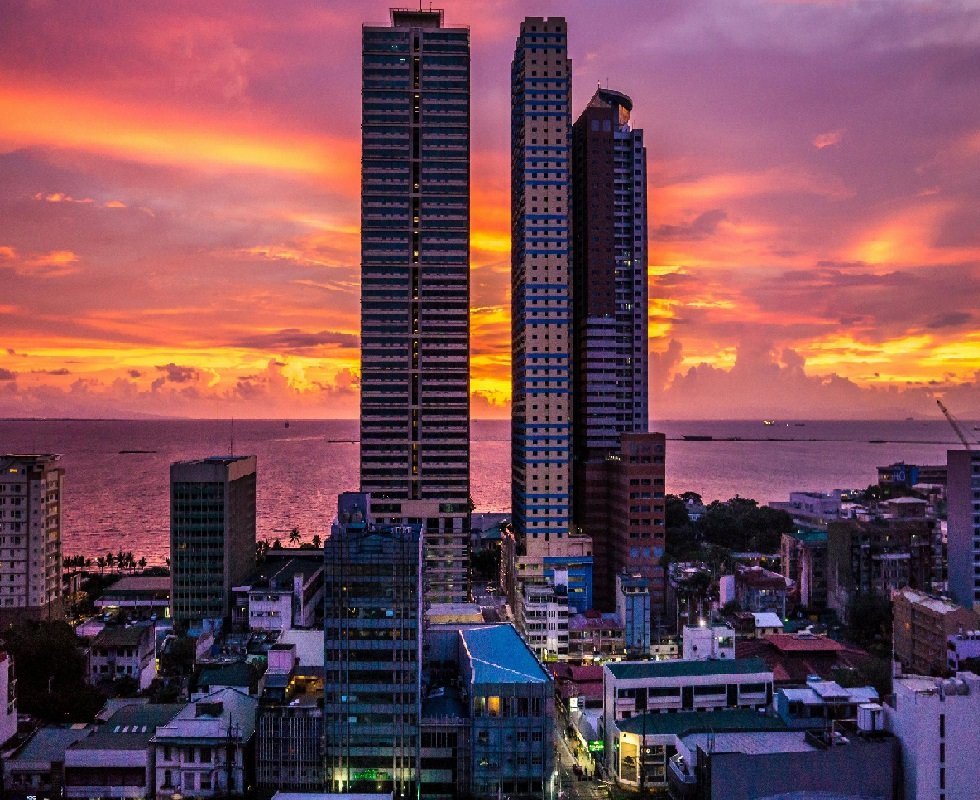
Environmental conservation is a critical issue in the Philippines, a country known for its rich biodiversity and natural beauty. To address the pressing environmental challenges facing the nation, the Philippine government has implemented various policies and initiatives aimed at promoting sustainable development and protecting the environment.
One of the key environmental policies in the Philippines is the Philippine Environmental Impact Statement System (PEISS), which requires proponents of development projects to secure an environmental compliance certificate (ECC) before they can proceed with their plans. This ensures that environmental considerations are taken into account in decision-making processes and that potential impacts on the environment are carefully evaluated.
In addition to the PEISS, the Philippine government has enacted the Clean Air Act, the Clean Water Act, and the Ecological Solid Waste Management Act, among other environmental laws, to regulate pollution, promote proper waste management, and safeguard public health and the environment. These laws provide the legal framework for environmental protection and set standards for pollution control and waste management practices.
The Philippines has also been actively involved in international efforts to combat climate change and promote sustainable development. The country is a signatory to the Paris Agreement and has committed to reducing its greenhouse gas emissions and enhancing its resilience to the impacts of climate change. Through initiatives such as the National Climate Change Action Plan and the Green Climate Fund, the Philippines is working to address climate change mitigation and adaptation at the national level.
At the local level, various communities and organizations in the Philippines have been implementing environmental conservation initiatives to protect natural resources and biodiversity. From reforestation projects and marine conservation efforts to waste management programs and renewable energy projects, these grassroots initiatives play a critical role in promoting environmental sustainability and raising awareness about the importance of conservation.
Overall, the Philippines has made significant strides in environmental conservation through the implementation of policies and initiatives that aim to protect the environment, promote sustainable development, and address the challenges posed by climate change. By continuing to prioritize environmental protection and sustainability, the Philippines can work towards a greener and more resilient future for generations to come.
Leave a Comment:
SEARCH
Recent News
- Zurich, Switzerland is renowned for its picturesque landscapes, high standard of living, and vibrant culture. The city offers a perfect blend of urban amenities and natural beauty, making it a desirable destination for both locals and expatriates. As a result, the real estate market in Zurich is robust and constantly evolving.
- Zurich, Switzerland and the Philippine Labor Market: A Comparison
- Zurich, Switzerland is known for its stunning natural beauty, vibrant arts scene, and strong economy. However, what many people may not know is that this dynamic city also offers a diverse culinary experience that includes delicacies from around the world. One such cuisine that has found a home in Zurich is Philippine cuisine.
- Zurich, Switzerland and the Philippine Business Environment:
- Zurich, Switzerland and the Philippine Agribusiness Sector
- YouTube Content Creation and Translation in the Philippine Real Estate Industry
- YouTube Content Creation and Translation in the Philippine Labor Market
- Exploring the World of YouTube Content Creation and Translation in Philippine Cuisine
READ MORE
9 months ago Category :

Zurich, Switzerland is renowned for its picturesque landscapes, high standard of living, and vibrant culture. The city offers a perfect blend of urban amenities and natural beauty, making it a desirable destination for both locals and expatriates. As a result, the real estate market in Zurich is robust and constantly evolving.
Read More →9 months ago Category :

Zurich, Switzerland and the Philippine Labor Market: A Comparison
Read More →9 months ago Category :

Zurich, Switzerland is known for its stunning natural beauty, vibrant arts scene, and strong economy. However, what many people may not know is that this dynamic city also offers a diverse culinary experience that includes delicacies from around the world. One such cuisine that has found a home in Zurich is Philippine cuisine.
Read More →9 months ago Category :
