The Philippine export-import industry plays a crucial role in the country's economy, as it involves the exchange of goods and services between the Philippines and other countries. However, like any industry, it faces various challenges that hinder its growth and development. In this blog post, we will discuss some of the challenges in the Philippine export-import industry and explore possible solutions to address them.
Category : Philippine Export and Import Industry | Sub Category : Challenges in the Philippine Export-Import Industry Posted on 2025-02-02 21:24:53
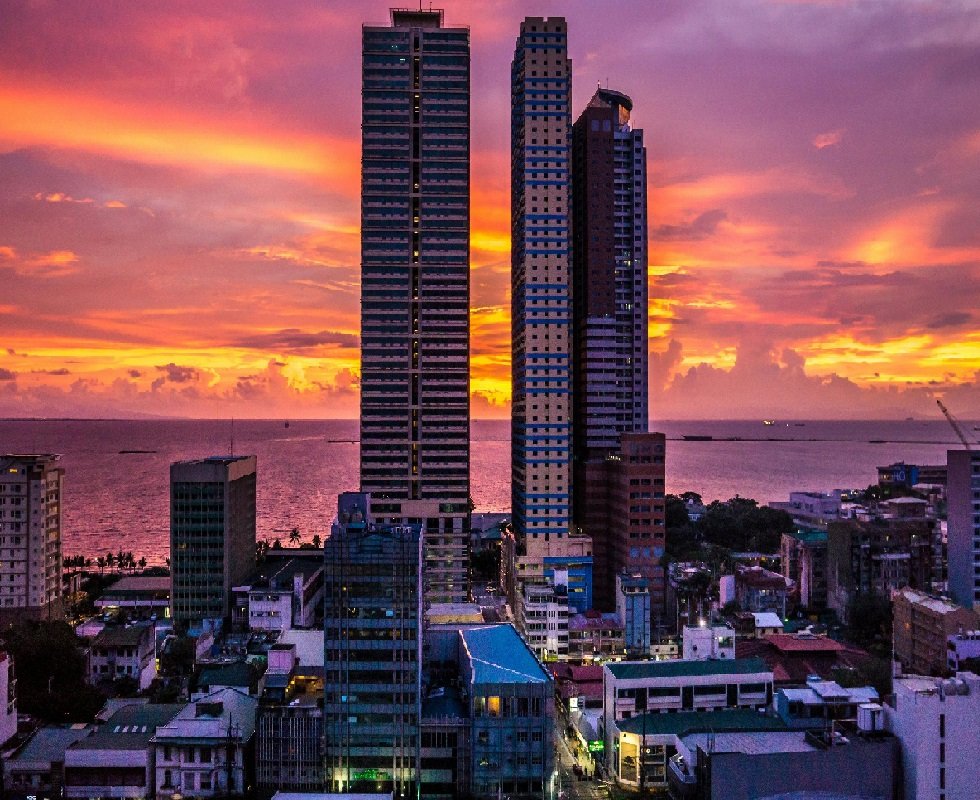
The Philippine export-import industry plays a crucial role in the country's economy, as it involves the exchange of goods and services between the Philippines and other countries. However, like any industry, it faces various challenges that hinder its growth and development. In this blog post, we will discuss some of the challenges in the Philippine export-import industry and explore possible solutions to address them.
One of the main challenges in the Philippine export-import industry is the lack of infrastructure and logistics support. Inefficient transportation systems, inadequate storage facilities, and complex customs procedures can result in delays and increased costs for businesses involved in international trade. Improving infrastructure and streamlining logistics processes are essential to enhance the competitiveness of Philippine exports and imports.
Another challenge is the limited market access faced by Philippine exporters. While the country has strong trade relations with some countries, there are still barriers to entry in certain markets due to trade restrictions, high tariffs, and non-tariff barriers. To overcome this challenge, the Philippine government should focus on diversifying its export markets and negotiating trade agreements that reduce trade barriers.
Additionally, the fluctuating exchange rates and global economic uncertainties pose risks to the Philippine export-import industry. Sudden currency fluctuations can impact the competitiveness of Philippine products in the international market and affect the profitability of businesses engaged in trade. To mitigate this risk, exporters and importers can consider hedging strategies and closely monitor market trends to make informed decisions.
Moreover, compliance with international standards and certifications is a challenge for Philippine exporters, especially small and medium-sized enterprises (SMEs). Meeting the quality and safety requirements of foreign markets can be costly and time-consuming, making it difficult for SMEs to compete with larger companies. Government assistance programs and capacity-building initiatives can help SMEs improve their product standards and access global markets more effectively.
In conclusion, while the Philippine export-import industry faces various challenges, there are opportunities for growth and development through strategic planning, investment in infrastructure, market diversification, risk management, and capacity-building initiatives. By addressing these challenges effectively, the industry can enhance its competitiveness, expand market reach, and contribute to the overall economic growth of the Philippines.
Leave a Comment:
SEARCH
Recent News
- Zurich, Switzerland is renowned for its picturesque landscapes, high standard of living, and vibrant culture. The city offers a perfect blend of urban amenities and natural beauty, making it a desirable destination for both locals and expatriates. As a result, the real estate market in Zurich is robust and constantly evolving.
- Zurich, Switzerland and the Philippine Labor Market: A Comparison
- Zurich, Switzerland is known for its stunning natural beauty, vibrant arts scene, and strong economy. However, what many people may not know is that this dynamic city also offers a diverse culinary experience that includes delicacies from around the world. One such cuisine that has found a home in Zurich is Philippine cuisine.
- Zurich, Switzerland and the Philippine Business Environment:
- Zurich, Switzerland and the Philippine Agribusiness Sector
- YouTube Content Creation and Translation in the Philippine Real Estate Industry
- YouTube Content Creation and Translation in the Philippine Labor Market
- Exploring the World of YouTube Content Creation and Translation in Philippine Cuisine
READ MORE
9 months ago Category :

Zurich, Switzerland is renowned for its picturesque landscapes, high standard of living, and vibrant culture. The city offers a perfect blend of urban amenities and natural beauty, making it a desirable destination for both locals and expatriates. As a result, the real estate market in Zurich is robust and constantly evolving.
Read More →9 months ago Category :

Zurich, Switzerland and the Philippine Labor Market: A Comparison
Read More →9 months ago Category :

Zurich, Switzerland is known for its stunning natural beauty, vibrant arts scene, and strong economy. However, what many people may not know is that this dynamic city also offers a diverse culinary experience that includes delicacies from around the world. One such cuisine that has found a home in Zurich is Philippine cuisine.
Read More →9 months ago Category :
