In the dynamic landscape of the Philippines, where uncertainties abound, the role of risk management and insurance practices is crucial in safeguarding businesses and individuals from potential losses. Risk management is the process of identifying, assessing, and prioritizing risks followed by coordinated and economical application of resources to minimize, control, and monitor the impact of unfortunate events. In the Philippine setting, where natural disasters, economic fluctuations, and technological advancements create a multitude of risks, having robust risk management practices is essential for sustainability and growth.
Category : Philippine Insurance and Risk Management | Sub Category : Risk Management Practices in the Philippines Posted on 2025-02-02 21:24:53
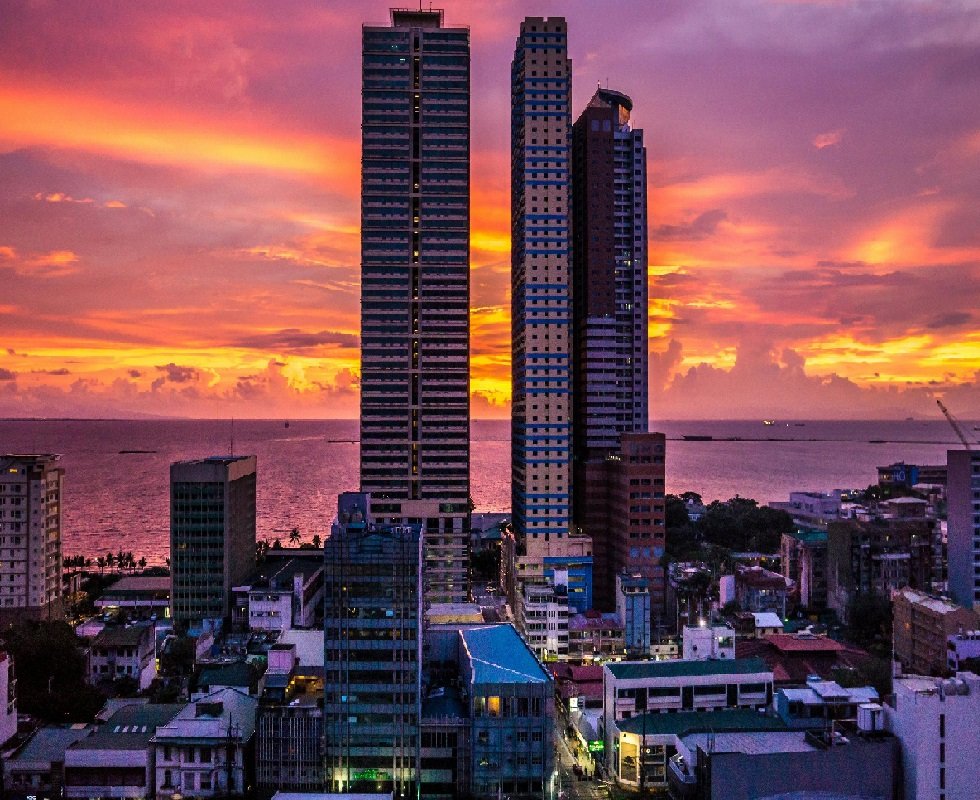
In the dynamic landscape of the Philippines, where uncertainties abound, the role of risk management and insurance practices is crucial in safeguarding businesses and individuals from potential losses. Risk management is the process of identifying, assessing, and prioritizing risks followed by coordinated and economical application of resources to minimize, control, and monitor the impact of unfortunate events. In the Philippine setting, where natural disasters, economic fluctuations, and technological advancements create a multitude of risks, having robust risk management practices is essential for sustainability and growth.
One of the key risk management practices in the Philippines is the emphasis on comprehensive risk assessment. Businesses often conduct thorough risk assessments to identify potential risks to their operations, assets, and reputation. This involves evaluating both internal and external factors that may impact the organization, such as market conditions, regulatory changes, and geopolitical risks. By understanding the risks they face, businesses can develop strategies to mitigate or transfer these risks, thereby improving their resilience to unexpected events.
Insurance plays a vital role in the risk management landscape of the Philippines. Insurance companies offer a wide range of products tailored to address specific risks faced by businesses and individuals in the country. From property insurance to health insurance, businesses can choose from a variety of coverage options to protect their assets and interests. By transferring the financial risk to insurance providers, businesses can mitigate the impact of unforeseen events such as natural disasters, theft, or liability claims.
Moreover, the Insurance Commission of the Philippines plays a key regulatory role in ensuring the stability and integrity of the insurance industry. The commission sets guidelines and regulations for insurance companies to follow, focusing on financial soundness, consumer protection, and market conduct. By promoting transparency and accountability within the industry, the commission helps build trust and confidence among policyholders and investors.
In conclusion, effective risk management practices are essential for businesses and individuals in the Philippines to navigate the complex and uncertain environment they operate in. By conducting thorough risk assessments, leveraging insurance products, and adhering to regulatory guidelines, organizations can build resilience and protect themselves from potential losses. As the landscape continues to evolve, staying proactive and adaptable in managing risks will be key to achieving long-term success and sustainability.
Leave a Comment:
SEARCH
Recent News
- Zurich, Switzerland is renowned for its picturesque landscapes, high standard of living, and vibrant culture. The city offers a perfect blend of urban amenities and natural beauty, making it a desirable destination for both locals and expatriates. As a result, the real estate market in Zurich is robust and constantly evolving.
- Zurich, Switzerland and the Philippine Labor Market: A Comparison
- Zurich, Switzerland is known for its stunning natural beauty, vibrant arts scene, and strong economy. However, what many people may not know is that this dynamic city also offers a diverse culinary experience that includes delicacies from around the world. One such cuisine that has found a home in Zurich is Philippine cuisine.
- Zurich, Switzerland and the Philippine Business Environment:
- Zurich, Switzerland and the Philippine Agribusiness Sector
- YouTube Content Creation and Translation in the Philippine Real Estate Industry
- YouTube Content Creation and Translation in the Philippine Labor Market
- Exploring the World of YouTube Content Creation and Translation in Philippine Cuisine
READ MORE
9 months ago Category :

Zurich, Switzerland is renowned for its picturesque landscapes, high standard of living, and vibrant culture. The city offers a perfect blend of urban amenities and natural beauty, making it a desirable destination for both locals and expatriates. As a result, the real estate market in Zurich is robust and constantly evolving.
Read More →9 months ago Category :

Zurich, Switzerland and the Philippine Labor Market: A Comparison
Read More →9 months ago Category :

Zurich, Switzerland is known for its stunning natural beauty, vibrant arts scene, and strong economy. However, what many people may not know is that this dynamic city also offers a diverse culinary experience that includes delicacies from around the world. One such cuisine that has found a home in Zurich is Philippine cuisine.
Read More →9 months ago Category :
