The logistics and supply chain management industry in the Philippines plays a crucial role in ensuring the smooth flow of goods and services throughout the country. As an archipelago consisting of over 7,000 islands, the Philippines presents unique challenges for logistics companies due to its geographical diversity and infrastructure limitations. However, with the advancement of technology and the continuous development of transportation networks, the logistics industry in the Philippines is steadily growing and evolving.
Category : Philippine Logistics and Supply Chain Management | Sub Category : Logistics Industry in the Philippines Posted on 2025-02-02 21:24:53
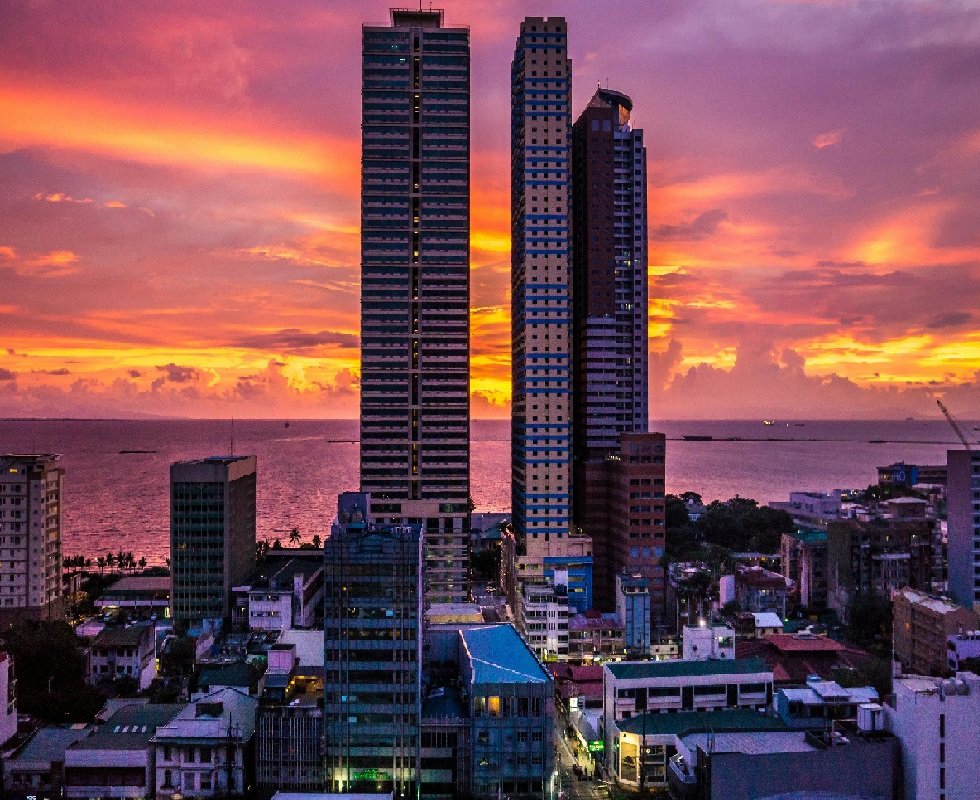
The logistics and supply chain management industry in the Philippines plays a crucial role in ensuring the smooth flow of goods and services throughout the country. As an archipelago consisting of over 7,000 islands, the Philippines presents unique challenges for logistics companies due to its geographical diversity and infrastructure limitations. However, with the advancement of technology and the continuous development of transportation networks, the logistics industry in the Philippines is steadily growing and evolving.
One of the key factors driving the growth of the logistics industry in the Philippines is the increasing demand for efficient and reliable transportation services. With the rise of e-commerce and online shopping, there is a greater need for fast and cost-effective delivery services to meet the expectations of consumers. Logistics companies in the Philippines are investing in modern fleet vehicles, tracking systems, and warehousing facilities to improve their operations and provide timely delivery solutions.
Another important aspect of the logistics industry in the Philippines is its contribution to the overall economy. The efficient movement of goods not only ensures that businesses can operate smoothly but also impacts various sectors such as manufacturing, retail, and agriculture. By streamlining supply chain processes and reducing transportation costs, logistics companies help businesses improve their competitiveness in the market and enhance their bottom line.
In recent years, the Philippine government has also taken steps to support the growth of the logistics industry through infrastructure development and policy reforms. Investments in port facilities, airports, and road networks have helped enhance connectivity across the archipelago, making it easier for logistics companies to transport goods efficiently. Furthermore, the implementation of initiatives such as the Ease of Doing Business Act has simplified customs procedures and reduced bureaucratic red tape, making it easier for businesses to import and export goods.
Despite these positive developments, the logistics industry in the Philippines still faces challenges that need to be addressed. Infrastructure constraints, traffic congestion, and high logistics costs remain significant hurdles for logistics companies operating in the country. Additionally, the lack of skilled workers and the need for continuous training and upskilling in the industry pose challenges to the long-term sustainability of the logistics sector.
Overall, the logistics and supply chain management industry in the Philippines holds great potential for growth and innovation. By leveraging technology, investing in infrastructure, and fostering partnerships between the public and private sectors, the Philippines can further strengthen its logistics capabilities and become a competitive player in the global supply chain network. With the right strategies and support, the logistics industry in the Philippines is poised to flourish and drive economic development in the years to come.
Leave a Comment:
SEARCH
Recent News
- Zurich, Switzerland is renowned for its picturesque landscapes, high standard of living, and vibrant culture. The city offers a perfect blend of urban amenities and natural beauty, making it a desirable destination for both locals and expatriates. As a result, the real estate market in Zurich is robust and constantly evolving.
- Zurich, Switzerland and the Philippine Labor Market: A Comparison
- Zurich, Switzerland is known for its stunning natural beauty, vibrant arts scene, and strong economy. However, what many people may not know is that this dynamic city also offers a diverse culinary experience that includes delicacies from around the world. One such cuisine that has found a home in Zurich is Philippine cuisine.
- Zurich, Switzerland and the Philippine Business Environment:
- Zurich, Switzerland and the Philippine Agribusiness Sector
- YouTube Content Creation and Translation in the Philippine Real Estate Industry
- YouTube Content Creation and Translation in the Philippine Labor Market
- Exploring the World of YouTube Content Creation and Translation in Philippine Cuisine
READ MORE
9 months ago Category :

Zurich, Switzerland is renowned for its picturesque landscapes, high standard of living, and vibrant culture. The city offers a perfect blend of urban amenities and natural beauty, making it a desirable destination for both locals and expatriates. As a result, the real estate market in Zurich is robust and constantly evolving.
Read More →9 months ago Category :

Zurich, Switzerland and the Philippine Labor Market: A Comparison
Read More →9 months ago Category :

Zurich, Switzerland is known for its stunning natural beauty, vibrant arts scene, and strong economy. However, what many people may not know is that this dynamic city also offers a diverse culinary experience that includes delicacies from around the world. One such cuisine that has found a home in Zurich is Philippine cuisine.
Read More →9 months ago Category :
