The Philippine tourism industry plays a significant role in driving the country's economy, creating jobs, and promoting cultural exchange. One of the key players in this thriving industry is the travel agencies that cater to the needs of both local and international tourists.
Category : Philippine Tourism Industry and Travel Agencies | Sub Category : Impact of Tourism on Philippine Economy Posted on 2025-02-02 21:24:53
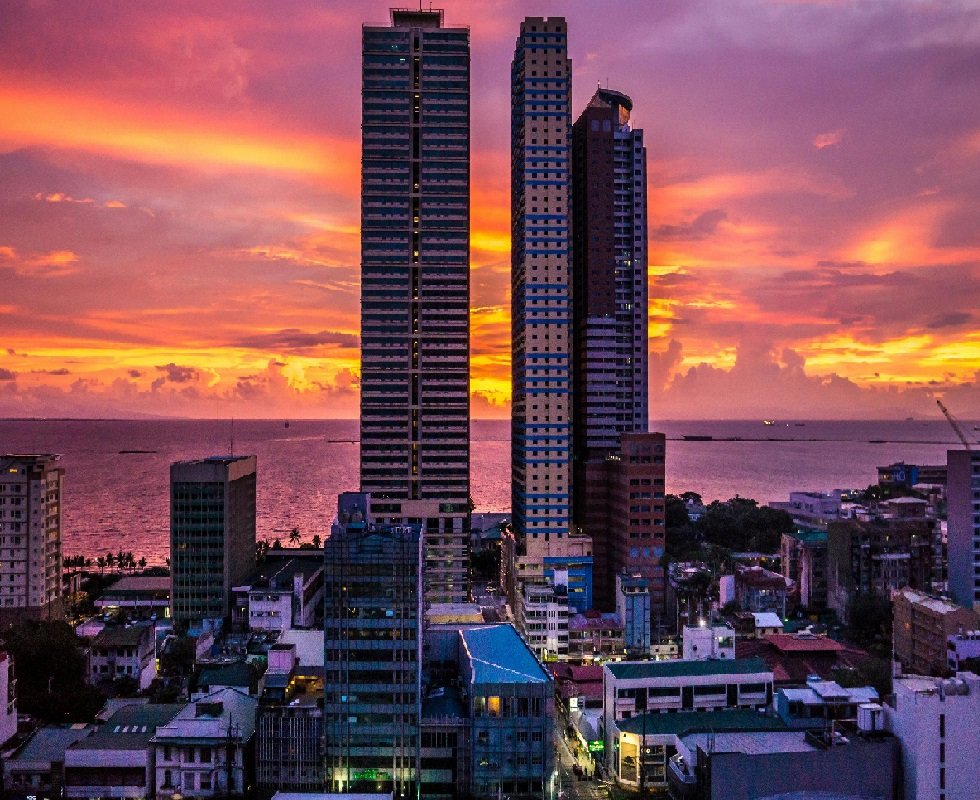
The Philippine tourism industry plays a significant role in driving the country's economy, creating jobs, and promoting cultural exchange. One of the key players in this thriving industry is the travel agencies that cater to the needs of both local and international tourists.
Tourism in the Philippines has experienced steady growth in recent years, with the country's pristine beaches, stunning landscapes, rich history, and vibrant culture attracting millions of visitors annually. These tourists contribute to the economy by spending on accommodations, transportation, food, shopping, and various activities, thereby generating income for businesses and local communities.
Travel agencies serve as crucial intermediaries between tourists and the tourism industry, offering a wide range of services such as booking accommodations, arranging transportation, organizing tours, providing travel insurance, and assisting with visa application processes. These agencies play a vital role in promoting and selling Philippine destinations to a global audience, helping to increase the number of tourists visiting the country.
The impact of tourism on the Philippine economy is extensive, as it contributes to job creation, infrastructure development, and revenue generation for the government. The tourism sector employs millions of Filipinos directly and indirectly, from hotel staff and tour guides to transportation providers and souvenir vendors. Moreover, the influx of tourist spending helps boost local businesses and stimulates economic growth in various regions across the country.
In addition to its economic benefits, tourism also facilitates cultural exchange and promotes understanding between people of different backgrounds. Through interactions with tourists, local communities have the opportunity to share their traditions, customs, and way of life, enriching the travel experience for visitors and fostering mutual respect and appreciation.
However, the tourism industry also faces challenges such as environmental sustainability, infrastructure development, and ensuring the equitable distribution of economic benefits. It is crucial for all stakeholders, including the government, private sector, local communities, and tourists themselves, to work together to address these issues and ensure the long-term viability of the Philippine tourism industry.
In conclusion, the impact of tourism on the Philippine economy is indisputable, with the industry serving as a vital driver of growth, employment, and cultural exchange. Travel agencies play a crucial role in facilitating this dynamic sector, connecting tourists with the diverse and beautiful destinations that the Philippines has to offer. By continuing to promote sustainable tourism practices and collaborate on addressing challenges, the country can further harness the potential of its tourism industry for the benefit of all stakeholders.
Leave a Comment:
SEARCH
Recent News
- Zurich, Switzerland is renowned for its picturesque landscapes, high standard of living, and vibrant culture. The city offers a perfect blend of urban amenities and natural beauty, making it a desirable destination for both locals and expatriates. As a result, the real estate market in Zurich is robust and constantly evolving.
- Zurich, Switzerland and the Philippine Labor Market: A Comparison
- Zurich, Switzerland is known for its stunning natural beauty, vibrant arts scene, and strong economy. However, what many people may not know is that this dynamic city also offers a diverse culinary experience that includes delicacies from around the world. One such cuisine that has found a home in Zurich is Philippine cuisine.
- Zurich, Switzerland and the Philippine Business Environment:
- Zurich, Switzerland and the Philippine Agribusiness Sector
- YouTube Content Creation and Translation in the Philippine Real Estate Industry
- YouTube Content Creation and Translation in the Philippine Labor Market
- Exploring the World of YouTube Content Creation and Translation in Philippine Cuisine
READ MORE
9 months ago Category :

Zurich, Switzerland is renowned for its picturesque landscapes, high standard of living, and vibrant culture. The city offers a perfect blend of urban amenities and natural beauty, making it a desirable destination for both locals and expatriates. As a result, the real estate market in Zurich is robust and constantly evolving.
Read More →9 months ago Category :

Zurich, Switzerland and the Philippine Labor Market: A Comparison
Read More →9 months ago Category :

Zurich, Switzerland is known for its stunning natural beauty, vibrant arts scene, and strong economy. However, what many people may not know is that this dynamic city also offers a diverse culinary experience that includes delicacies from around the world. One such cuisine that has found a home in Zurich is Philippine cuisine.
Read More →9 months ago Category :
