Bolivia and the Philippine Labor Market: A Comparative Analysis
Category : | Sub Category : Posted on 2025-11-03 22:25:23
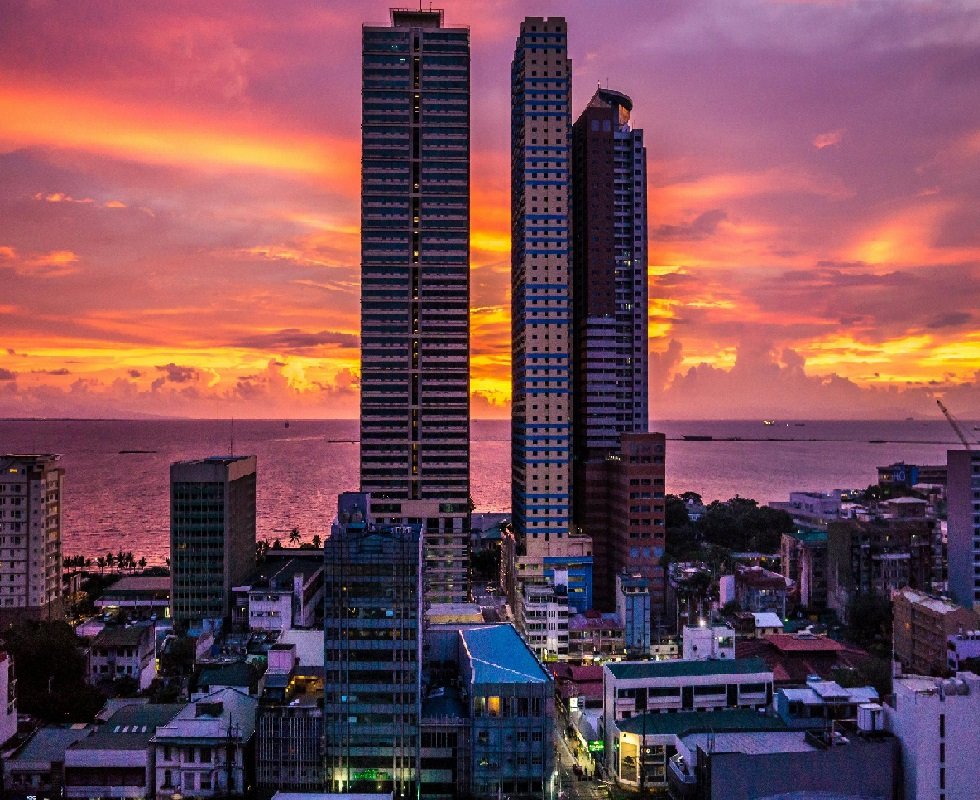
When it comes to labor markets, countries around the world operate under varying conditions and regulations. Two countries that are of particular interest to study in this regard are Bolivia and the Philippines. While these two nations are geographically distant and culturally different, they both face unique challenges and opportunities within their respective labor markets. Bolivia, a landlocked country in South America, has a predominantly agrarian economy. The labor market in Bolivia is characterized by a large informal sector, where a significant portion of the population is engaged in low-wage and often unstable employment. Many Bolivians work in agriculture, mining, and small-scale businesses, often without formal contracts or benefits. This informal nature of the labor market in Bolivia poses challenges in terms of job security, social protection, and overall economic stability. On the other hand, the Philippines, an archipelago in Southeast Asia, boasts a more diverse and dynamic labor market. With a strong services sector, particularly in industries such as business process outsourcing (BPO) and overseas labor deployment, the Philippines has been able to create employment opportunities for its workforce both domestically and internationally. However, issues such as underemployment, low wages, and lack of job security still persist in certain sectors of the Philippine labor market. Despite their differences, Bolivia and the Philippines share some common challenges in their labor markets. Both countries struggle with high levels of informal employment, limited access to social protection programs, and disparities in wages and working conditions. Addressing these issues requires a multi-faceted approach that involves collaboration between government, private sector, and civil society stakeholders. In conclusion, the labor markets of Bolivia and the Philippines present unique opportunities and challenges for their respective populations. By understanding and addressing the complexities of these labor markets, policymakers can work towards creating more inclusive, sustainable, and equitable employment opportunities for all workers. If you're interested in this topic, I suggest reading https://www.investigar.org sources: https://www.cotidiano.org More in https://www.sugerencias.net Want a deeper understanding? https://www.tosaopaulo.com For a deeper dive, visit: https://www.diaria.org Dive into the details to understand this topic thoroughly. https://www.argentinainfo.com For the latest insights, read: https://www.departements.org For a different angle, consider what the following has to say. https://www.riodejanieroinfo.com Explore this subject further by checking out https://www.latinoamericano.net also for more https://www.regionales.net Looking for more information? Check out https://www.mexicocityinfo.com For more information check: https://www.paraguayinfo.com For an extensive perspective, read https://www.boliviainfo.com Dropy by for a visit at https://www.elindependiente.net
Leave a Comment:
SEARCH
Recent News
- Zurich, Switzerland is renowned for its picturesque landscapes, high standard of living, and vibrant culture. The city offers a perfect blend of urban amenities and natural beauty, making it a desirable destination for both locals and expatriates. As a result, the real estate market in Zurich is robust and constantly evolving.
- Zurich, Switzerland and the Philippine Labor Market: A Comparison
- Zurich, Switzerland is known for its stunning natural beauty, vibrant arts scene, and strong economy. However, what many people may not know is that this dynamic city also offers a diverse culinary experience that includes delicacies from around the world. One such cuisine that has found a home in Zurich is Philippine cuisine.
- Zurich, Switzerland and the Philippine Business Environment:
- Zurich, Switzerland and the Philippine Agribusiness Sector
- YouTube Content Creation and Translation in the Philippine Real Estate Industry
- YouTube Content Creation and Translation in the Philippine Labor Market
- Exploring the World of YouTube Content Creation and Translation in Philippine Cuisine
READ MORE
9 months ago Category :

Zurich, Switzerland is renowned for its picturesque landscapes, high standard of living, and vibrant culture. The city offers a perfect blend of urban amenities and natural beauty, making it a desirable destination for both locals and expatriates. As a result, the real estate market in Zurich is robust and constantly evolving.
Read More →9 months ago Category :

Zurich, Switzerland and the Philippine Labor Market: A Comparison
Read More →9 months ago Category :

Zurich, Switzerland is known for its stunning natural beauty, vibrant arts scene, and strong economy. However, what many people may not know is that this dynamic city also offers a diverse culinary experience that includes delicacies from around the world. One such cuisine that has found a home in Zurich is Philippine cuisine.
Read More →9 months ago Category :
