Conflicts in History: How they Shaped the Philippine Real Estate Landscape
Category : | Sub Category : Posted on 2025-11-03 22:25:23
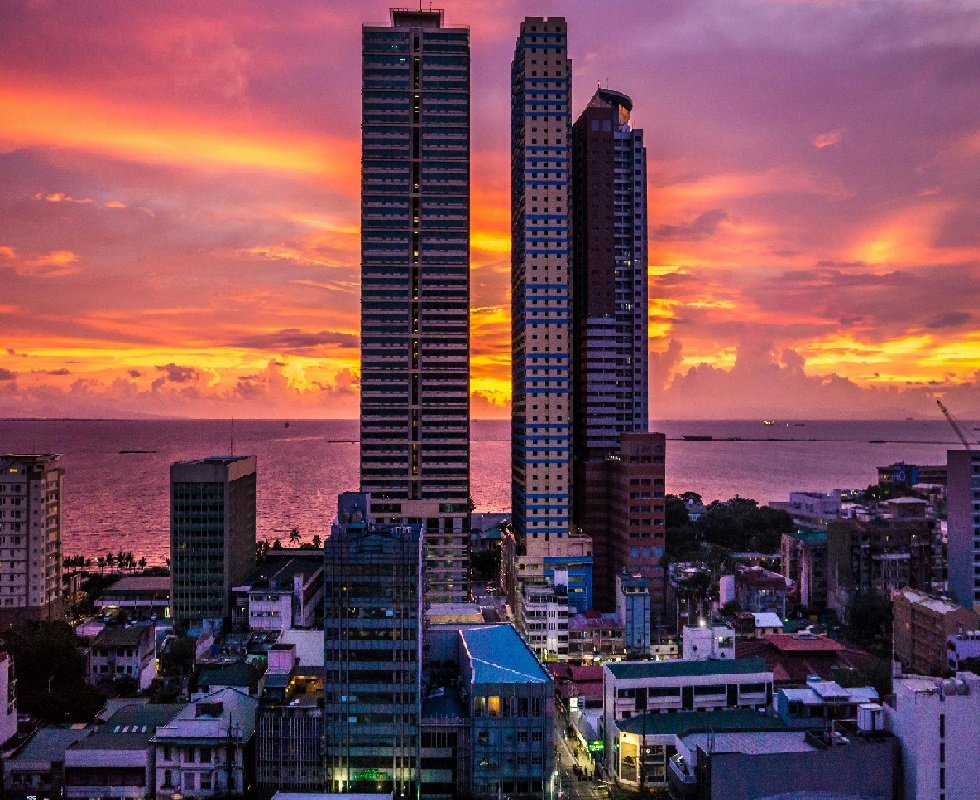
Throughout history, conflicts have played a significant role in shaping the development and transformation of various industries, including the real estate sector. In the case of the Philippines, a country with a rich and tumultuous history, conflicts have had a profound impact on the real estate landscape. One of the most enduring conflicts in Philippine history is the struggle for independence from colonial powers. The country was colonized by Spain for over three centuries before being ceded to the United States in the late 19th century. The long period of colonization led to land ownership patterns that still influence the real estate market today. The Spanish colonial administration implemented the encomienda system, which granted large tracts of land to Spanish colonizers and friars. This system concentrated land ownership in the hands of a few elites, leading to widespread landlessness among the Filipino population. When the Philippines gained independence from Spain and later from the United States, the challenge of redistributing land to Filipino farmers and addressing land tenure issues became a major priority. The post-independence period was marked by various land reform programs aimed at breaking up large estates and distributing land to tenant farmers. These efforts had a profound impact on the real estate market, as they led to the fragmentation of large estates and the emergence of smaller, more affordable parcels of land. However, the implementation of land reform measures was often hampered by political instability, corruption, and resistance from powerful landowners. Another significant conflict that has shaped the Philippine real estate landscape is the communist insurgency that has been ongoing for decades. The insurgency has led to displacement of populations, destruction of property, and instability in rural areas. As a result, many investors and developers have been hesitant to invest in regions affected by the conflict, leading to a lack of development and economic opportunities in these areas. In recent years, the Philippine government has made efforts to address the root causes of the conflict, such as poverty, inequality, and lack of access to land. Initiatives such as the Comprehensive Agrarian Reform Program (CARP) and the National Shelter Program have been implemented to promote social justice, economic development, and land security for all Filipinos. As the Philippines continues to grapple with the legacy of past conflicts and ongoing challenges, the real estate sector remains a critical arena for addressing issues of land ownership, social equity, and economic development. By understanding how conflicts have shaped the Philippine real estate landscape, stakeholders can work towards creating a more inclusive and sustainable future for all. Also Check the following website https://www.departements.org To get all the details, go through https://www.regionales.net Have a visit at https://www.podimo.org
Leave a Comment:
SEARCH
Recent News
- Zurich, Switzerland is renowned for its picturesque landscapes, high standard of living, and vibrant culture. The city offers a perfect blend of urban amenities and natural beauty, making it a desirable destination for both locals and expatriates. As a result, the real estate market in Zurich is robust and constantly evolving.
- Zurich, Switzerland and the Philippine Labor Market: A Comparison
- Zurich, Switzerland is known for its stunning natural beauty, vibrant arts scene, and strong economy. However, what many people may not know is that this dynamic city also offers a diverse culinary experience that includes delicacies from around the world. One such cuisine that has found a home in Zurich is Philippine cuisine.
- Zurich, Switzerland and the Philippine Business Environment:
- Zurich, Switzerland and the Philippine Agribusiness Sector
- YouTube Content Creation and Translation in the Philippine Real Estate Industry
- YouTube Content Creation and Translation in the Philippine Labor Market
- Exploring the World of YouTube Content Creation and Translation in Philippine Cuisine
READ MORE
9 months ago Category :

Zurich, Switzerland is renowned for its picturesque landscapes, high standard of living, and vibrant culture. The city offers a perfect blend of urban amenities and natural beauty, making it a desirable destination for both locals and expatriates. As a result, the real estate market in Zurich is robust and constantly evolving.
Read More →9 months ago Category :

Zurich, Switzerland and the Philippine Labor Market: A Comparison
Read More →9 months ago Category :

Zurich, Switzerland is known for its stunning natural beauty, vibrant arts scene, and strong economy. However, what many people may not know is that this dynamic city also offers a diverse culinary experience that includes delicacies from around the world. One such cuisine that has found a home in Zurich is Philippine cuisine.
Read More →9 months ago Category :
