Unraveling Contradictions in the Philippine Real Estate Market
Category : | Sub Category : Posted on 2025-11-03 22:25:23
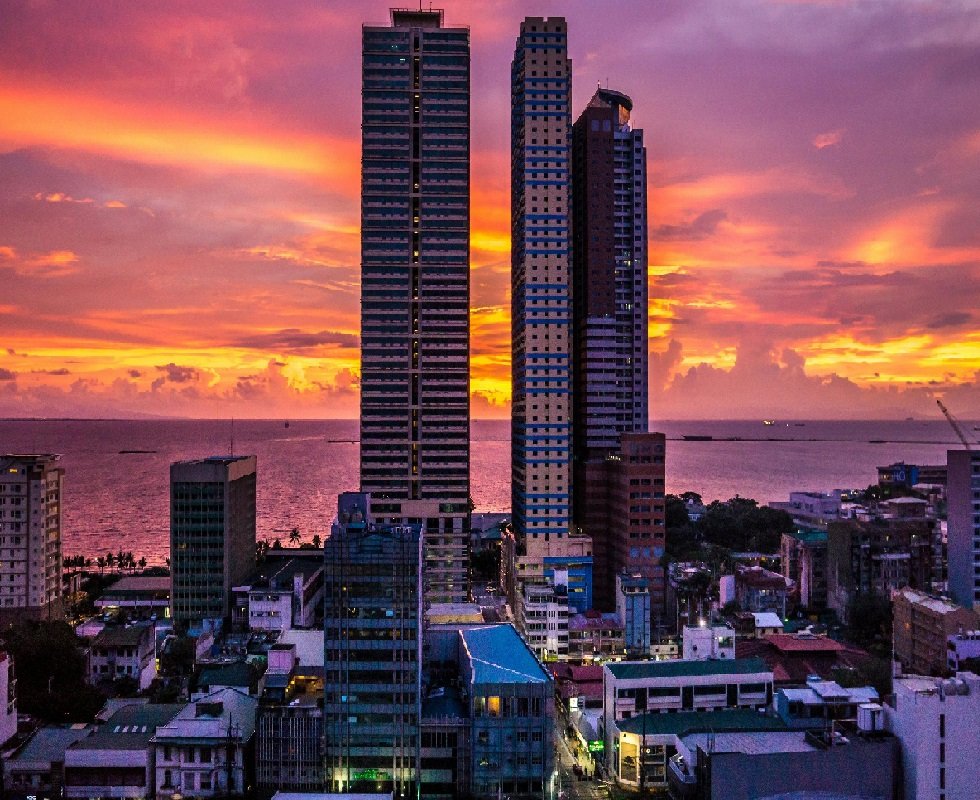
The Philippine real estate market has long been a landscape filled with contradictions, reflecting the country's dynamic economic and social dynamics. From soaring property prices to affordable housing initiatives, from luxury condominiums to informal settlements, the real estate sector in the Philippines is a complex tapestry of contradictions that shape the urban environment and the lives of its inhabitants. One of the key contradictions in the Philippine real estate market is the stark contrast between the upscale developments catering to the affluent population and the vast informal settlements that house a significant portion of the urban poor. In cities like Manila, high-end condominiums with state-of-the-art amenities stand in stark contrast to crowded slum areas where basic services are lacking. This disparity highlights the unequal distribution of wealth and resources in the country, raising questions about inclusivity and social justice in urban development. Another contradiction lies in the fluctuating trends of property prices in the Philippines. While certain areas experience rapid appreciation in land values driven by demand from investors and foreign buyers, other regions struggle with stagnant growth and oversupply. This disparity in property values contributes to the growing gap between the property-owning class and those who are priced out of the market, reinforcing social and economic inequalities. Moreover, the regulatory landscape governing the Philippine real estate market presents its own set of contradictions. On one hand, government policies and incentives aim to promote affordable housing initiatives and urban development projects to address the housing backlog and improve living conditions for marginalized communities. On the other hand, bureaucratic red tape, corruption, and inefficiencies in the permitting process often hinder the timely implementation of these projects, leading to delays and missed opportunities for inclusive growth. In light of these contradictions, stakeholders in the Philippine real estate sector are called upon to prioritize sustainable and inclusive development practices that address the diverse needs of the population. This includes promoting affordable housing options, enhancing infrastructure to support urbanization, and fostering transparent and efficient regulatory processes to ensure equitable access to housing and land resources. By acknowledging and addressing the contradictions inherent in the Philippine real estate market, policymakers, developers, and communities can work together to create a more balanced and resilient urban environment that serves the interests of all Filipinos, regardless of their socio-economic status. Embracing these complexities as opportunities for positive change can lead to a more sustainable and equitable real estate sector that benefits the country as a whole. For the latest insights, read: https://www.culturelle.org To get all the details, go through https://www.departements.org To get all the details, go through https://www.regionales.net
Leave a Comment:
SEARCH
Recent News
- Zurich, Switzerland is renowned for its picturesque landscapes, high standard of living, and vibrant culture. The city offers a perfect blend of urban amenities and natural beauty, making it a desirable destination for both locals and expatriates. As a result, the real estate market in Zurich is robust and constantly evolving.
- Zurich, Switzerland and the Philippine Labor Market: A Comparison
- Zurich, Switzerland is known for its stunning natural beauty, vibrant arts scene, and strong economy. However, what many people may not know is that this dynamic city also offers a diverse culinary experience that includes delicacies from around the world. One such cuisine that has found a home in Zurich is Philippine cuisine.
- Zurich, Switzerland and the Philippine Business Environment:
- Zurich, Switzerland and the Philippine Agribusiness Sector
- YouTube Content Creation and Translation in the Philippine Real Estate Industry
- YouTube Content Creation and Translation in the Philippine Labor Market
- Exploring the World of YouTube Content Creation and Translation in Philippine Cuisine
READ MORE
9 months ago Category :

Zurich, Switzerland is renowned for its picturesque landscapes, high standard of living, and vibrant culture. The city offers a perfect blend of urban amenities and natural beauty, making it a desirable destination for both locals and expatriates. As a result, the real estate market in Zurich is robust and constantly evolving.
Read More →9 months ago Category :

Zurich, Switzerland and the Philippine Labor Market: A Comparison
Read More →9 months ago Category :

Zurich, Switzerland is known for its stunning natural beauty, vibrant arts scene, and strong economy. However, what many people may not know is that this dynamic city also offers a diverse culinary experience that includes delicacies from around the world. One such cuisine that has found a home in Zurich is Philippine cuisine.
Read More →9 months ago Category :
