The intersection between the Hispanic community and the Philippine labor market is an interesting and important topic that is often overlooked in discussions about diversity and inclusion. Both communities have unique challenges and opportunities when it comes to workforce participation and economic advancement. By exploring the connections between these two groups, we can gain a deeper understanding of the global labor market and the ways in which different cultures and backgrounds interact in the workplace.
Category : | Sub Category : Posted on 2025-11-03 22:25:23
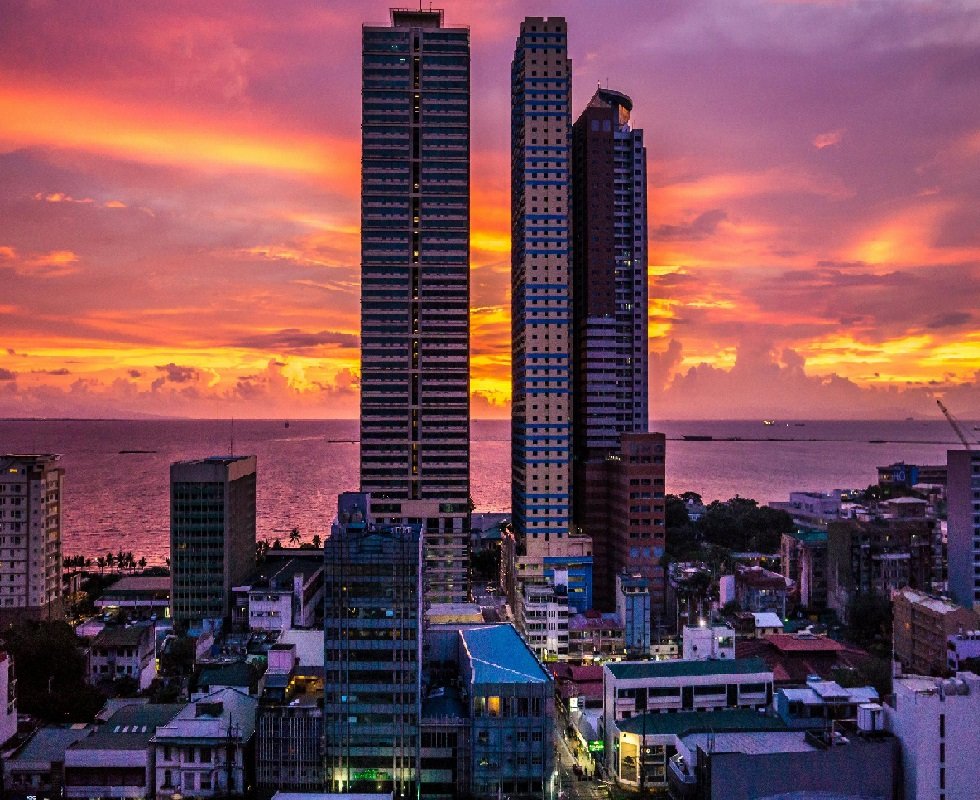
The Hispanic community comprises a diverse group of people with roots in countries such as Mexico, Puerto Rico, Cuba, and many others. In the United States, Hispanics make up a significant portion of the labor force, working in a wide range of industries and occupations. They face challenges such as discrimination, language barriers, and access to education and training opportunities. However, they also bring valuable skills, experiences, and perspectives to the workforce, contributing to innovation and productivity in the economy. On the other hand, the Philippine labor market is known for its skilled and educated workforce, with many Filipinos working abroad in industries such as healthcare, education, IT, and hospitality. The country is a major supplier of labor to countries around the world, with millions of Overseas Filipino Workers (OFWs) sending remittances back home to support their families. Despite their contributions to the global economy, Filipino workers often face exploitation, unsafe working conditions, and limited opportunities for career advancement. When we consider the connections between the Hispanic community and the Philippine labor market, we see that both groups share some common experiences and challenges. They may face similar issues in terms of discrimination, wage disparities, and lack of opportunities for upward mobility. By recognizing these similarities and working together to address them, we can create a more inclusive and equitable labor market that benefits everyone. One way to support the Hispanic community and Filipino workers is to advocate for policies that promote diversity, equity, and inclusion in the workplace. This can include implementing anti-discrimination measures, offering language and cultural competency training, and providing support for workers from underrepresented backgrounds. By creating a more welcoming and supportive work environment, we can empower individuals from the Hispanic community and the Philippines to thrive and succeed in their careers. In conclusion, the intersection between the Hispanic community and the Philippine labor market presents a unique opportunity to explore the complexities of diversity and inclusion in the global workforce. By understanding the experiences of these two groups and working to address their common challenges, we can build a more just and equitable labor market for all. Let's strive to create a world where every worker, regardless of their background, has the opportunity to reach their full potential. Together, we can make a difference. visit: https://www.argentinainfo.com Get more at https://www.culturelle.org Check the link below: https://www.regionales.net also visit the following website https://www.boliviainfo.com also this link is for more information https://www.nacionalismo.com
Leave a Comment:
SEARCH
Recent News
- Zurich, Switzerland is renowned for its picturesque landscapes, high standard of living, and vibrant culture. The city offers a perfect blend of urban amenities and natural beauty, making it a desirable destination for both locals and expatriates. As a result, the real estate market in Zurich is robust and constantly evolving.
- Zurich, Switzerland and the Philippine Labor Market: A Comparison
- Zurich, Switzerland is known for its stunning natural beauty, vibrant arts scene, and strong economy. However, what many people may not know is that this dynamic city also offers a diverse culinary experience that includes delicacies from around the world. One such cuisine that has found a home in Zurich is Philippine cuisine.
- Zurich, Switzerland and the Philippine Business Environment:
- Zurich, Switzerland and the Philippine Agribusiness Sector
- YouTube Content Creation and Translation in the Philippine Real Estate Industry
- YouTube Content Creation and Translation in the Philippine Labor Market
- Exploring the World of YouTube Content Creation and Translation in Philippine Cuisine
READ MORE
9 months ago Category :

Zurich, Switzerland is renowned for its picturesque landscapes, high standard of living, and vibrant culture. The city offers a perfect blend of urban amenities and natural beauty, making it a desirable destination for both locals and expatriates. As a result, the real estate market in Zurich is robust and constantly evolving.
Read More →9 months ago Category :

Zurich, Switzerland and the Philippine Labor Market: A Comparison
Read More →9 months ago Category :

Zurich, Switzerland is known for its stunning natural beauty, vibrant arts scene, and strong economy. However, what many people may not know is that this dynamic city also offers a diverse culinary experience that includes delicacies from around the world. One such cuisine that has found a home in Zurich is Philippine cuisine.
Read More →9 months ago Category :
