Hyperinflation in the Philippine Labor Market
Category : | Sub Category : Posted on 2025-11-03 22:25:23
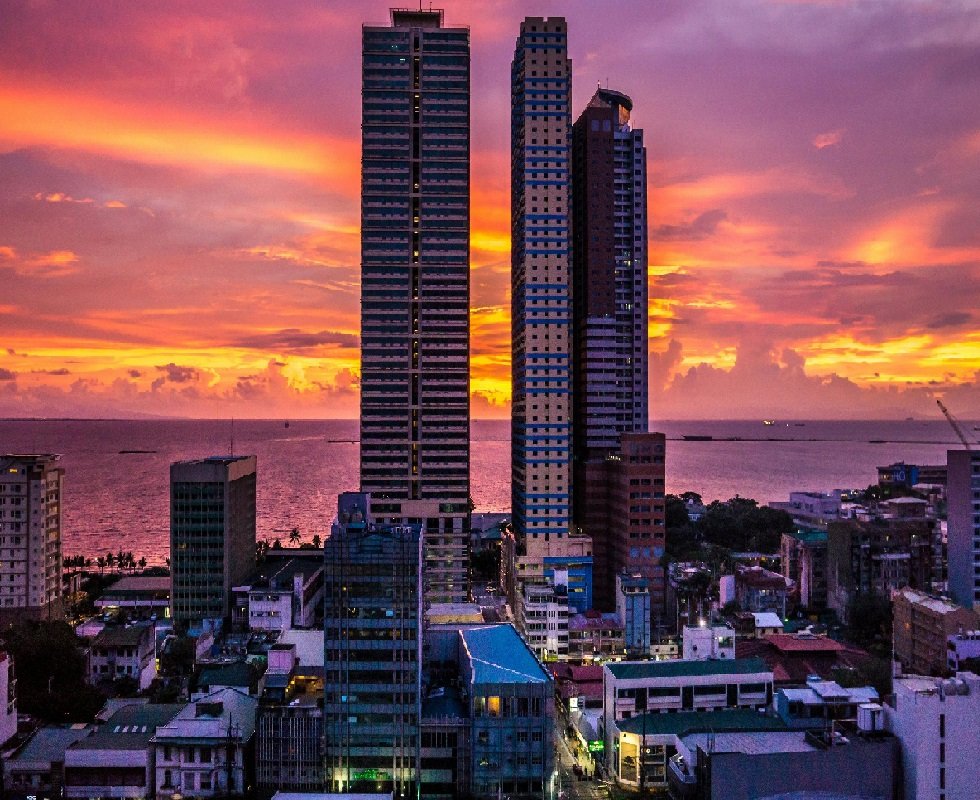
Hyperinflation can have a significant impact on a country's economy, including its labor market. Hyperinflation refers to a situation where the prices of goods and services skyrocket rapidly, leading to a decrease in the purchasing power of the currency. In the context of the Philippines, hyperinflation can have various implications for the labor market. One of the primary effects of hyperinflation on the labor market is wage erosion. As prices soar, the value of wages decreases, making it challenging for workers to afford basic necessities. This can lead to a decline in the standard of living for many workers, especially those in low-wage sectors. As a result, workers may demand higher wages to cope with the rising cost of living, leading to potential labor unrest and strikes. Moreover, hyperinflation can also lead to job losses and unemployment. Businesses may struggle to cope with the escalating costs of production and may be forced to downsize or shut down operations. This can result in layoffs and a shrinking job market, making it difficult for workers to find employment. With fewer job opportunities available, the unemployment rate can rise, exacerbating the economic challenges faced by individuals and families. In addition, hyperinflation can have a detrimental impact on the overall economy, leading to a decrease in consumer spending and investment. As prices rise uncontrollably, consumers may cut back on spending, which can further hurt businesses and contribute to job losses. Similarly, investors may lose confidence in the economy and withhold investment, leading to a slowdown in economic growth. In response to hyperinflation in the labor market, policymakers may implement various measures to stabilize the economy and mitigate its effects. These measures may include implementing price controls, fiscal reforms, and monetary policy interventions to curb inflation and restore stability to the labor market. Additionally, social safety nets such as unemployment benefits and assistance programs may be expanded to support workers who have been negatively affected by hyperinflation. In conclusion, hyperinflation can have far-reaching consequences for the Philippine labor market, impacting wages, employment, and overall economic stability. To address these challenges, concerted efforts from policymakers, businesses, and workers are essential to navigate through the complexities of hyperinflation and safeguard the well-being of the labor force. Seeking answers? You might find them in https://www.abandonar.org Explore this subject in detail with https://www.culturelle.org Want a deeper understanding? https://www.departements.org Explore this subject in detail with https://www.regionales.net
Leave a Comment:
SEARCH
Recent News
- Zurich, Switzerland is renowned for its picturesque landscapes, high standard of living, and vibrant culture. The city offers a perfect blend of urban amenities and natural beauty, making it a desirable destination for both locals and expatriates. As a result, the real estate market in Zurich is robust and constantly evolving.
- Zurich, Switzerland and the Philippine Labor Market: A Comparison
- Zurich, Switzerland is known for its stunning natural beauty, vibrant arts scene, and strong economy. However, what many people may not know is that this dynamic city also offers a diverse culinary experience that includes delicacies from around the world. One such cuisine that has found a home in Zurich is Philippine cuisine.
- Zurich, Switzerland and the Philippine Business Environment:
- Zurich, Switzerland and the Philippine Agribusiness Sector
- YouTube Content Creation and Translation in the Philippine Real Estate Industry
- YouTube Content Creation and Translation in the Philippine Labor Market
- Exploring the World of YouTube Content Creation and Translation in Philippine Cuisine
READ MORE
9 months ago Category :

Zurich, Switzerland is renowned for its picturesque landscapes, high standard of living, and vibrant culture. The city offers a perfect blend of urban amenities and natural beauty, making it a desirable destination for both locals and expatriates. As a result, the real estate market in Zurich is robust and constantly evolving.
Read More →9 months ago Category :

Zurich, Switzerland and the Philippine Labor Market: A Comparison
Read More →9 months ago Category :

Zurich, Switzerland is known for its stunning natural beauty, vibrant arts scene, and strong economy. However, what many people may not know is that this dynamic city also offers a diverse culinary experience that includes delicacies from around the world. One such cuisine that has found a home in Zurich is Philippine cuisine.
Read More →9 months ago Category :
