A Guide to Philippine Corporation Formation
Category : | Sub Category : Posted on 2025-11-03 22:25:23
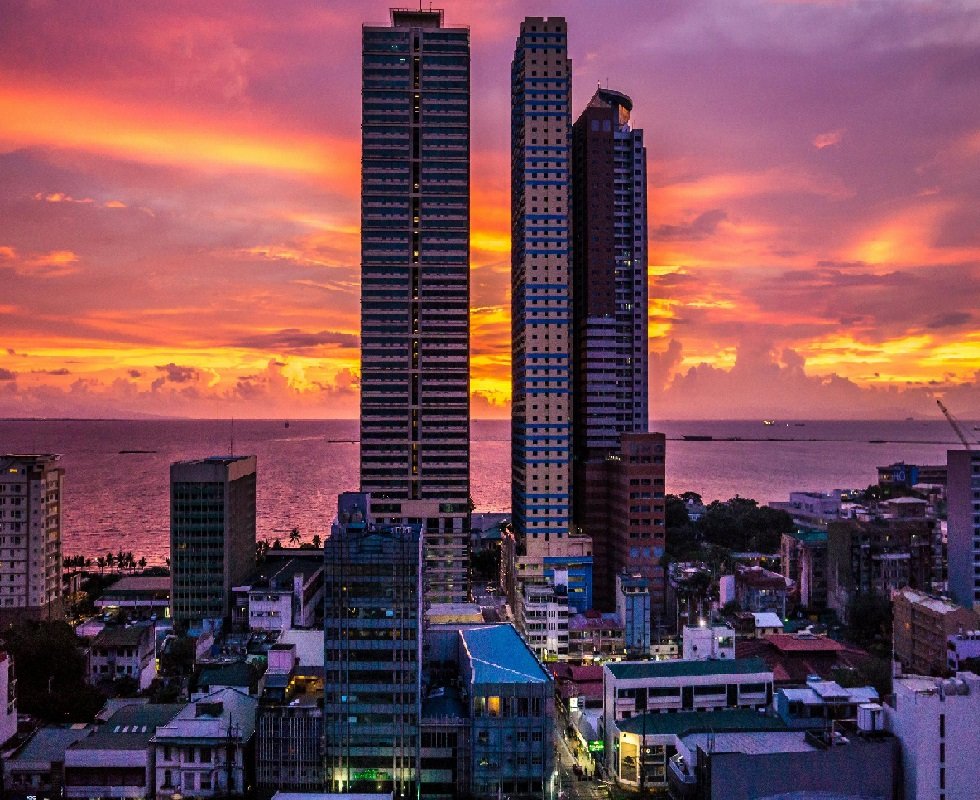
If you are looking to start a business in the Philippines, one of the key steps you need to take is forming a corporation. Setting up a corporation in the Philippines is a popular choice among entrepreneurs due to its various benefits, such as limited liability protection and potential tax advantages. In this guide, we will walk you through the process of Philippine corporation formation to help you navigate the legal requirements and set your business up for success. 1. Choose a Business Name: The first step in forming a corporation in the Philippines is to choose a unique and suitable name for your company. The name must not be identical or confusingly similar to any existing corporation or trademark in the country. 2. Minimum Requirements: In the Philippines, a corporation must have at least 5 incorporators, who can be natural persons or juridical entities. Additionally, the corporation must have a minimum of 5 but not more than 15 directors. 3. Articles of Incorporation: The next step is to prepare and file the Articles of Incorporation with the Securities and Exchange Commission (SEC). The Articles of Incorporation must include essential details about the corporation, such as its name, purpose, principal office address, authorized capital stock, and the names and addresses of the incorporators. 4. By-Laws: After the SEC approves the Articles of Incorporation, the next step is to draft the corporation’s by-laws. The by-laws outline the rules and regulations governing the corporation’s internal affairs, such as the duties and responsibilities of directors, officers, and shareholders. 5. Securities and Exchange Commission (SEC) Registration: Once the Articles of Incorporation and by-laws are in place, you will need to register your corporation with the SEC. This involves submitting the necessary documents, paying the registration fees, and obtaining the SEC registration certificate. 6. Business Permits and Licenses: In addition to SEC registration, your corporation will need to secure business permits and licenses from the local government unit where your business will operate. This may include a mayor’s permit, barangay clearance, and other licenses specific to your industry. 7. Tax Registration: Finally, you will need to register your corporation with the Bureau of Internal Revenue (BIR) for tax purposes. This involves obtaining a Tax Identification Number (TIN) and complying with the necessary tax obligations, such as filing tax returns and paying taxes. In conclusion, forming a corporation in the Philippines involves several steps and legal requirements that must be met to establish a legal entity for your business. By following this guide and seeking professional assistance when needed, you can ensure a smooth and compliant process for Philippine corporation formation. To get more information check: https://www.culturelle.org Have a look at the following website to get more information https://www.departements.org to Get more information at https://www.regionales.net
Leave a Comment:
SEARCH
Recent News
- Zurich, Switzerland is renowned for its picturesque landscapes, high standard of living, and vibrant culture. The city offers a perfect blend of urban amenities and natural beauty, making it a desirable destination for both locals and expatriates. As a result, the real estate market in Zurich is robust and constantly evolving.
- Zurich, Switzerland and the Philippine Labor Market: A Comparison
- Zurich, Switzerland is known for its stunning natural beauty, vibrant arts scene, and strong economy. However, what many people may not know is that this dynamic city also offers a diverse culinary experience that includes delicacies from around the world. One such cuisine that has found a home in Zurich is Philippine cuisine.
- Zurich, Switzerland and the Philippine Business Environment:
- Zurich, Switzerland and the Philippine Agribusiness Sector
- YouTube Content Creation and Translation in the Philippine Real Estate Industry
- YouTube Content Creation and Translation in the Philippine Labor Market
- Exploring the World of YouTube Content Creation and Translation in Philippine Cuisine
READ MORE
8 months ago Category :

Zurich, Switzerland is renowned for its picturesque landscapes, high standard of living, and vibrant culture. The city offers a perfect blend of urban amenities and natural beauty, making it a desirable destination for both locals and expatriates. As a result, the real estate market in Zurich is robust and constantly evolving.
Read More →8 months ago Category :

Zurich, Switzerland and the Philippine Labor Market: A Comparison
Read More →8 months ago Category :

Zurich, Switzerland is known for its stunning natural beauty, vibrant arts scene, and strong economy. However, what many people may not know is that this dynamic city also offers a diverse culinary experience that includes delicacies from around the world. One such cuisine that has found a home in Zurich is Philippine cuisine.
Read More →8 months ago Category :
