Understanding Philippine Testing and Inspection Standards
Category : | Sub Category : Posted on 2025-11-03 22:25:23
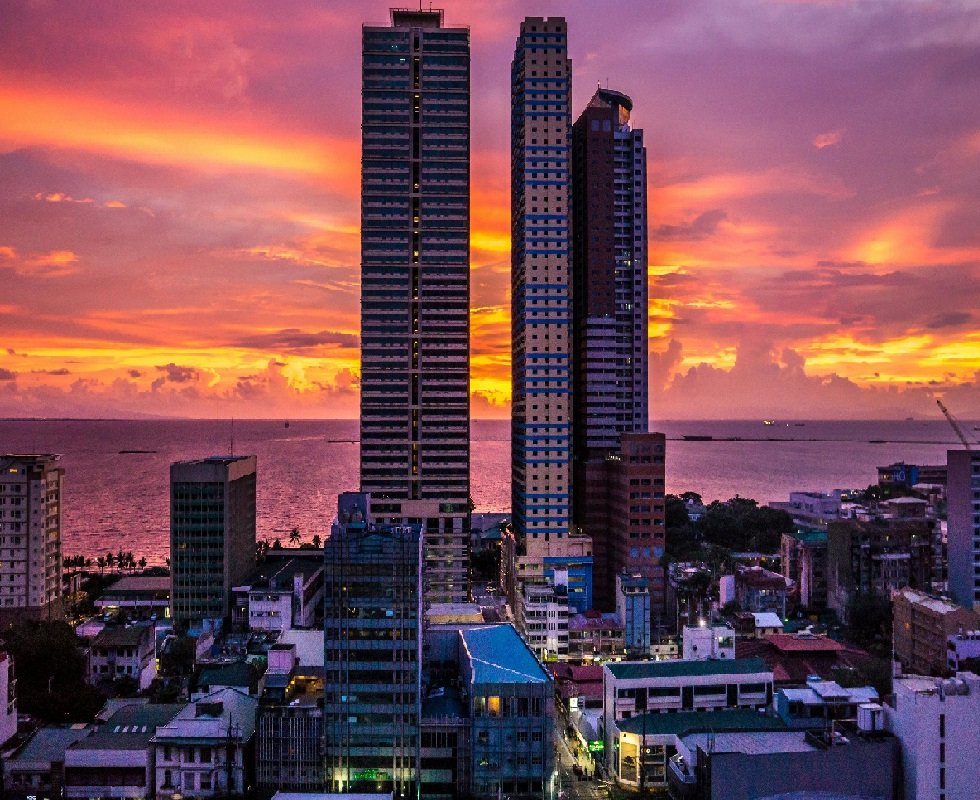
When it comes to ensuring safety, quality, and compliance in various industries, testing and inspection standards play a crucial role. In the Philippines, these standards are put in place to establish guidelines and procedures that help maintain consistency and reliability in products, structures, and processes. Understanding Philippine testing and inspection standards is essential for businesses, manufacturers, and individuals to meet regulatory requirements and deliver high-quality goods and services. The Philippine national standards for testing and inspection cover a wide range of industries, including construction, food and beverages, healthcare, electronics, and more. These standards are developed and regulated by government agencies such as the Department of Trade and Industry (DTI) and the Department of Health (DOH), as well as industry-specific organizations and advocacy groups. In the construction industry, Philippine testing and inspection standards ensure that buildings and infrastructure projects meet the necessary safety and structural integrity requirements. This includes tests for materials like concrete, steel, and wood, as well as inspections for building systems such as electrical, plumbing, and mechanical. For food and beverage products, testing and inspection standards are in place to safeguard public health by ensuring that goods meet quality and safety guidelines. This includes testing for contaminants, pathogens, and other harmful substances, as well as inspections of manufacturing facilities to ensure proper hygiene and sanitation practices. In the healthcare sector, testing and inspection standards are crucial to maintaining the quality and effectiveness of medical devices, equipment, and pharmaceutical products. These standards help ensure that healthcare providers deliver safe and reliable services to patients and comply with regulatory requirements. In the electronics industry, testing and inspection standards are essential to guarantee the performance, reliability, and safety of electronic devices and components. This includes tests for electrical conductivity, thermal resistance, and environmental durability, as well as inspections for manufacturing defects and compliance with industry standards. Overall, Philippine testing and inspection standards are designed to uphold quality, safety, and compliance across various industries. By adhering to these standards, businesses and individuals can build trust with consumers, protect public welfare, and contribute to the overall development and progress of the country. In conclusion, understanding Philippine testing and inspection standards is crucial for ensuring the quality, safety, and compliance of products and services in different industries. By following these standards, businesses and individuals can uphold best practices, meet regulatory requirements, and contribute to a safer and more reliable marketplace. For more information about this: https://www.abandonar.org For the latest insights, read: https://www.culturelle.org To get a different viewpoint, consider: https://www.departements.org also for more info https://www.regionales.net
Leave a Comment:
SEARCH
Recent News
- Zurich, Switzerland is renowned for its picturesque landscapes, high standard of living, and vibrant culture. The city offers a perfect blend of urban amenities and natural beauty, making it a desirable destination for both locals and expatriates. As a result, the real estate market in Zurich is robust and constantly evolving.
- Zurich, Switzerland and the Philippine Labor Market: A Comparison
- Zurich, Switzerland is known for its stunning natural beauty, vibrant arts scene, and strong economy. However, what many people may not know is that this dynamic city also offers a diverse culinary experience that includes delicacies from around the world. One such cuisine that has found a home in Zurich is Philippine cuisine.
- Zurich, Switzerland and the Philippine Business Environment:
- Zurich, Switzerland and the Philippine Agribusiness Sector
- YouTube Content Creation and Translation in the Philippine Real Estate Industry
- YouTube Content Creation and Translation in the Philippine Labor Market
- Exploring the World of YouTube Content Creation and Translation in Philippine Cuisine
READ MORE
7 months ago Category :

Zurich, Switzerland is renowned for its picturesque landscapes, high standard of living, and vibrant culture. The city offers a perfect blend of urban amenities and natural beauty, making it a desirable destination for both locals and expatriates. As a result, the real estate market in Zurich is robust and constantly evolving.
Read More →7 months ago Category :

Zurich, Switzerland and the Philippine Labor Market: A Comparison
Read More →7 months ago Category :

Zurich, Switzerland is known for its stunning natural beauty, vibrant arts scene, and strong economy. However, what many people may not know is that this dynamic city also offers a diverse culinary experience that includes delicacies from around the world. One such cuisine that has found a home in Zurich is Philippine cuisine.
Read More →7 months ago Category :
