Exploring the Landscape of Similarities in Philippine Real Estate
Category : | Sub Category : Posted on 2025-11-03 22:25:23
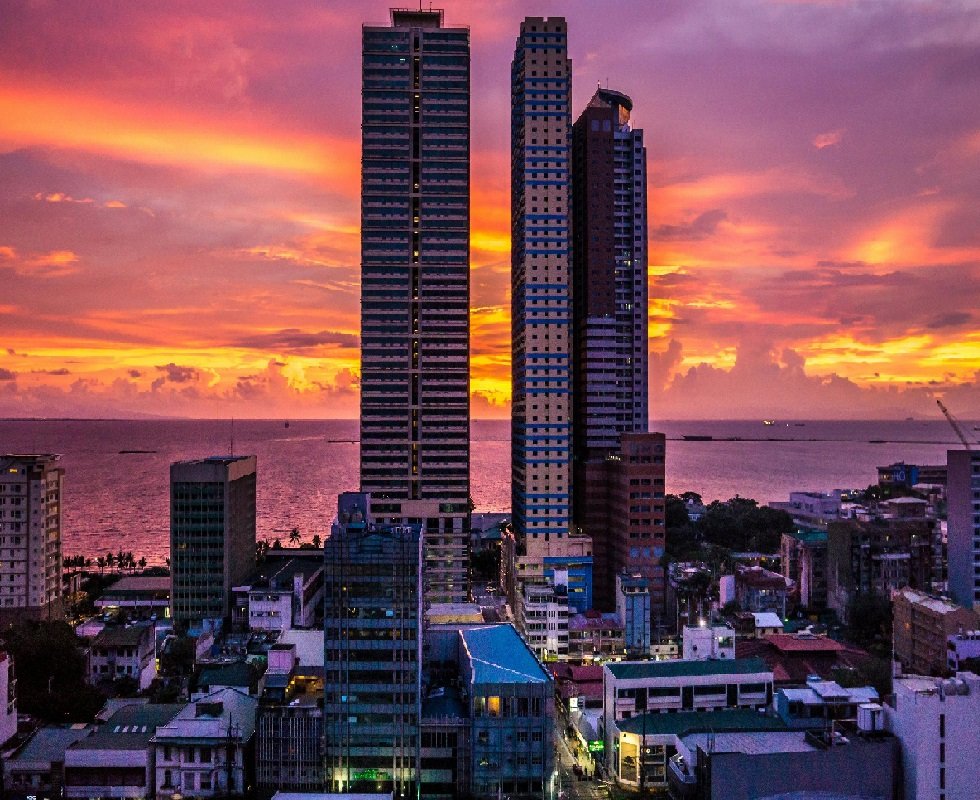
The Philippine real estate market is a vibrant and dynamic sector that continues to attract investors, developers, and homebuyers alike. With its diverse offerings, unique characteristics, and booming growth, the industry serves as a reflection of the country's economic progress and potential. In this article, we will delve into the landscape of similarities found in Philippine real estate, highlighting key aspects that make it a compelling and promising market for both local and foreign players. One significant similarity in Philippine real estate is the increasing demand for residential properties, driven by a growing population and rising urbanization. Major cities such as Metro Manila, Cebu, and Davao are experiencing a surge in residential developments to cater to the housing needs of a burgeoning middle-class population. The demand for affordable housing options remains a primary focus for developers, with vertical residential projects and mixed-used developments becoming prevalent in urban centers. Another notable similarity is the strong potential for growth in the commercial real estate sector. The Philippines is experiencing a boom in the business process outsourcing (BPO) industry, with many multinational companies setting up operations in key business districts across the country. This has spurred the development of office spaces, coworking facilities, and mixed-used complexes to accommodate the needs of BPO firms and other businesses looking to establish a presence in the Philippines. Infrastructure development also plays a crucial role in shaping the landscape of Philippine real estate. The government's "Build, Build, Build" program has paved the way for massive infrastructure projects, including new highways, bridges, airports, and railway systems. These infrastructure investments not only improve connectivity and accessibility but also drive property values in areas benefiting from these developments. Furthermore, the Philippines' attractiveness as a tourist destination has bolstered the growth of the hospitality and tourism real estate sector. The country's pristine beaches, diverse cultural heritage, and warm hospitality continue to draw travelers from around the world. As a result, hotel and resort developments are on the rise, catering to both domestic and international tourists seeking unique and immersive experiences. In conclusion, the similarities in Philippine real estate present a compelling narrative of growth, opportunity, and potential. With a robust demand for residential, commercial, and hospitality properties, coupled with ongoing infrastructure developments and a thriving tourism industry, the Philippine real estate market remains a key player in the region's economic landscape. Investors and stakeholders looking to capitalize on these similarities should closely monitor market trends, regulatory changes, and emerging opportunities to maximize their returns and participate in the country's exciting real estate journey. also this link is for more information https://www.departements.org For a different perspective, see: https://www.regionales.net
Leave a Comment:
SEARCH
Recent News
- Zurich, Switzerland is renowned for its picturesque landscapes, high standard of living, and vibrant culture. The city offers a perfect blend of urban amenities and natural beauty, making it a desirable destination for both locals and expatriates. As a result, the real estate market in Zurich is robust and constantly evolving.
- Zurich, Switzerland and the Philippine Labor Market: A Comparison
- Zurich, Switzerland is known for its stunning natural beauty, vibrant arts scene, and strong economy. However, what many people may not know is that this dynamic city also offers a diverse culinary experience that includes delicacies from around the world. One such cuisine that has found a home in Zurich is Philippine cuisine.
- Zurich, Switzerland and the Philippine Business Environment:
- Zurich, Switzerland and the Philippine Agribusiness Sector
- YouTube Content Creation and Translation in the Philippine Real Estate Industry
- YouTube Content Creation and Translation in the Philippine Labor Market
- Exploring the World of YouTube Content Creation and Translation in Philippine Cuisine
READ MORE
9 months ago Category :

Zurich, Switzerland is renowned for its picturesque landscapes, high standard of living, and vibrant culture. The city offers a perfect blend of urban amenities and natural beauty, making it a desirable destination for both locals and expatriates. As a result, the real estate market in Zurich is robust and constantly evolving.
Read More →9 months ago Category :

Zurich, Switzerland and the Philippine Labor Market: A Comparison
Read More →9 months ago Category :

Zurich, Switzerland is known for its stunning natural beauty, vibrant arts scene, and strong economy. However, what many people may not know is that this dynamic city also offers a diverse culinary experience that includes delicacies from around the world. One such cuisine that has found a home in Zurich is Philippine cuisine.
Read More →9 months ago Category :
